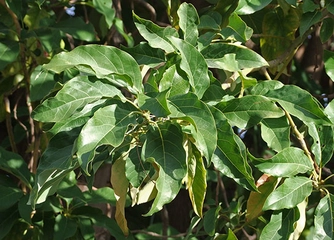
Bulghur and rice stuffed vine leaves with olive oil recipe?
Vine leaves stuffed with bulghur and rice offer a delicious glimpse into Mediterranean and Middle Eastern cuisine. This article explores the recipe, preparation steps, and nutritional benefits of this flavorful dish, inviting you to enjoy a satisfying culinary experience.
Introduction Vine leaves, also known as grape leaves, are a staple in Mediterranean and Middle Eastern cuisines. They are often used to wrap various fillings, creating a dish that is both flavorful and visually appealing. One popular variation is the combination of bulghur wheat and rice, which provides a hearty, nutritious filling. This article will delve into the recipe for bulghur and rice stuffed vine leaves with olive oil, exploring its history, nutritional benefits, and preparation methods. Ingredients To prepare bulghur and rice stuffed vine leaves, you will need the following ingredients:
Preparation Steps The preparation of bulghur and rice stuffed vine leaves involves several steps, which are outlined below: 1. Preparing the Filling: - Rinse the bulghur wheat and rice under cold water. - In a large pan, heat 2-3 tablespoons of olive oil over medium heat. - Add the chopped onion and sauté until translucent. - Stir in the bulghur wheat and rice, allowing them to toast slightly for about 2-3 minutes. - Add salt, black pepper, dried mint, and allspice. Mix well. - Pour in enough water or vegetable broth to cover the mixture (approximately 2 cups) and bring to a boil. - Reduce the heat, cover, and simmer for about 15-20 minutes, or until the grains are cooked and absorbed the liquid. - Remove from heat and let it cool slightly. Add the lemon juice and mix thoroughly. 2. Preparing the Vine Leaves: - If using fresh vine leaves, blanch them in boiling water for about 2-3 minutes until they soften. Drain and set aside. - If using jarred vine leaves, rinse them in cold water to remove excess brine and separate the leaves. 3. Stuffing the Vine Leaves: - Lay a vine leaf flat on a clean surface, with the stem end facing you. - Place a spoonful of the filling mixture near the stem end, folding the sides over the filling and rolling it tightly from the stem end to the tip. - Repeat this process for the remaining leaves and filling. 4. Cooking the Stuffed Vine Leaves: - Arrange the stuffed vine leaves in a large pot, seam side down, in a single layer. - Drizzle with olive oil and add enough water or vegetable broth to cover the leaves. - Place a plate on top to keep them submerged during cooking. - Bring to a boil, then reduce heat to low, covering the pot and simmering for about 45-60 minutes. - Check occasionally to ensure they are not sticking to the bottom. Serving Suggestions Once cooked, let the stuffed vine leaves rest for a few minutes before serving. They can be enjoyed warm or at room temperature. Serve drizzled with additional olive oil and a squeeze of lemon juice. Accompaniments such as yogurt or a fresh salad can enhance the meal, providing a refreshing contrast to the rich flavors of the vine leaves. Nutritional Benefits Bulghur and rice stuffed vine leaves are not only delicious but also nutritious. Key benefits include:
Conclusion Bulghur and rice stuffed vine leaves with olive oil is a traditional dish that encapsulates the essence of Mediterranean cooking. Its combination of flavors, textures, and nutritional benefits makes it a worthwhile addition to any culinary repertoire. By following the steps outlined in this article, you can create a dish that is not only satisfying but also a celebration of cultural heritage. Enjoy this delightful treat with family and friends, and savor the rich history it represents. |







.webp "Çınar Yaprağı Kürü Tarifi ve Malzemeleri")
.webp "Defne Yaprağı Özellikleri ve Faydaları Nelerdir?")
















Bu tarife göre bulghur ve pirinçle doldurulmuş asma yaprakları hazırlamak oldukça keyifli görünüyor. Özellikle malzemelerin sağlıklı ve besleyici olması, bu yemeği daha da cazip hale getiriyor. Sizce asma yapraklarının kullanımı, yemeğe nasıl bir tat katıyor? Ayrıca, tarifteki baharatların ve zeytinyağının yemeğin lezzetini nasıl etkilediğini deneyimlediniz mi? Hazırlık aşamasında en çok hangi kısmı eğlenceli buldunuz?
Asma Yapraklarının Kullanımının Yemeğe Katkısı
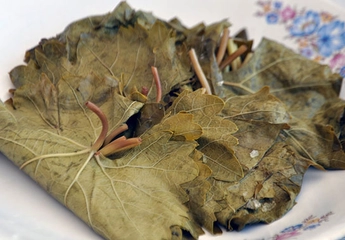
Asma yaprakları, dolma tarifine özgü bir aroma ve lezzet katıyor. Asma yapraklarının hafif ekşi ve aromatik tadı, dolmanın içindeki bulghur ve pirinçle birleşerek çok lezzetli bir karışım oluşturuyor. Bu yemeğin hem görselliğine hem de lezzetine katkıda bulunuyor.
Baharatlar ve Zeytinyağının Etkisi
Tarifteki baharatlar, özellikle nane, karabiber ve pul biber gibi baharatlar, yemeğe derinlik ve zenginlik katıyor. Zeytinyağı ise hem lezzet hem de besleyicilik açısından önemli bir unsur. Zeytinyağının kullandığınız kaliteli bir türü, dolmanın genel tadını ve aromasını oldukça olumlu yönde etkiliyor.
Hazırlık Aşamasındaki Eğlenceli Kısımlar
Hazırlık aşamasında en keyifli kısımlardan biri, asma yapraklarını doldururken onları sarmak. Bu işlem, hem el becerisi gerektiriyor hem de oldukça eğlenceli bir aktivite haline geliyor. Ayrıca, aile veya arkadaşlarla birlikte yapıldığında, sohbet ederek geçirilen zaman, yemeğin kendisi kadar değerli hale geliyor.